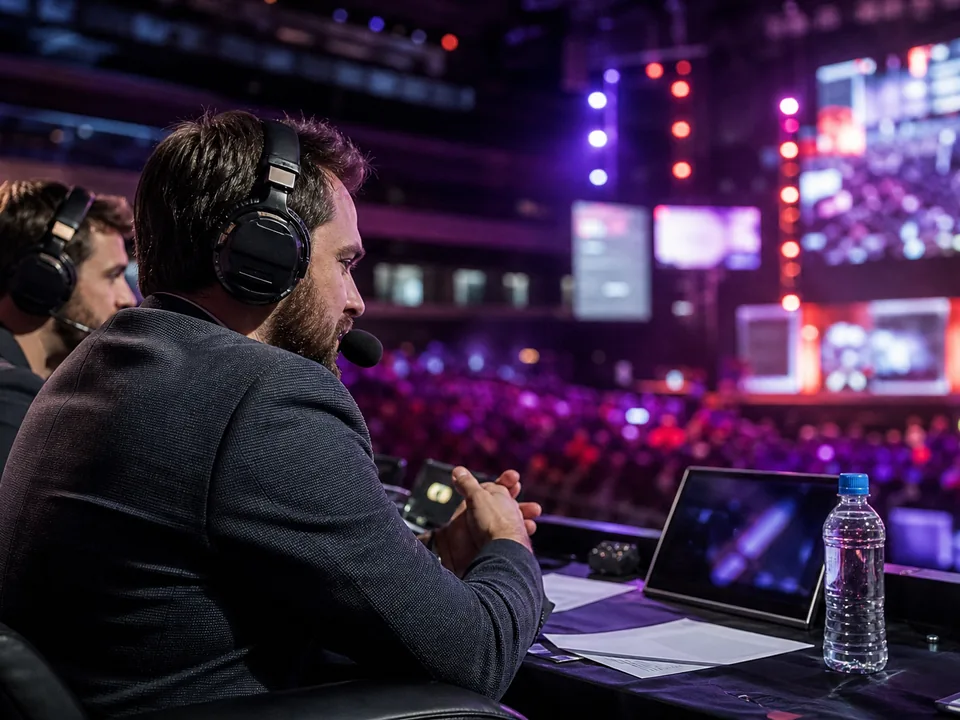
Why esports needs its own pricing
Esports does not behave like a ball sport. A CS2 match is a series of rounds inside maps, where economy, side and momentum shift the odds from one round to the next. Prices built for 90 minutes of soccer do not translate, and many books end up offering only a match winner line with a wide margin because nothing better is available.
The RealTimeBets engine treats CS2 as its own sport with its own model. It follows the round score on the map, recomputes prices every second during play and suspends affected markets for a few seconds after a round ends or a bomb is planted. The output is the same JSON structure as every other sport in the engine, so your bet slip, risk logic and settlement code need no special case for esports.
That matters for operators who already run a sportsbook and want esports as another tab, not another integration project.
Markets available for CS2
The engine generates three in-play markets for each CS2 map it covers, one at map level and two for the round ahead.
- Map winner for the map in play.
- Next round winner, which locks as the round starts and resolves when it ends.
- Bomb planted next round, yes or no, resolved by the plant incident.
Each market type follows the same rules: it opens with a model price, reprices every second while it is open, suspends briefly after a deciding incident and resolves from the round timeline.
Next round winner is the esports version of a micro-market: short, frequent and easy to understand for a viewer who is watching the stream. It is the market most likely to change how often your esports customers bet during a match. The way these short markets are generated, suspended and settled across all sports is covered on the micro betting page.
Each market carries the price, the fair probability, the margin of about 6 percent and an open or suspended state.
Endpoints and a typical payload
Esports uses the same API as every other sport. Requests go to https://realtimebets.com/api/v1 with the header Authorization: Bearer rtb_sk_ and your secret key.
- GET /api/v1/events?sport=cs2&status=live lists CS2 matches in play.
- GET /api/v1/events/{event_id}/markets returns every market for one match.
- GET /api/v1/events/{event_id}/incidents returns rounds won and bomb plants in match order.
A market object for the next round looks like this in plain terms: key rnd:14, type next_round_winner, two selections each with a decimal price and probability, a margin value for the whole market, a locks_at time and status open. Once the round starts the market locks and leaves the list, the round incident is published and bets you recorded on it settle.
The streaming endpoint at /api/v1/stream?event={event_id} pushes the full market set of the match once a second, so a live esports board never needs to poll. Full field lists are in the API documentation.
Risk and settlement for fast markets
Short esports markets attract informed money. A viewer watching a low-delay stream may know a round result before a slow feed does, and a book without automatic protection pays for that gap.
The engine suspends round markets when a deciding incident arrives, and keeps them closed for a few seconds before new prices appear. The risk engine on Growth and Enterprise then checks each bet before you accept it, using market liability, your per-customer stake cap and a sharp flag for customers with at least 20 settled bets and a win rate of 60 percent or more, which halves their limits.
Settlement follows the incident timeline. When a round or map is won, the market resolves and your backend receives a bet.settled webhook signed with HMAC SHA-256 over the timestamp and the raw body using your endpoint secret. Verify the signature, check the delivery id against ones you have already processed and pay from your own wallet. More on limits and liability is on the sportsbook risk management page.
Plans that include esports
Esports is part of the Growth and Enterprise plans, alongside every other sport in the engine. Starter covers three traditional sports of your choice and does not include esports or micro-markets.
Growth costs $1,999 a month, or $999 a month billed yearly as $11,988. It includes all sports with CS2, the micro-market generator, the risk engine, settlement with signed webhooks, model-based pricing with a published margin, 5,000,000 requests a month and 10 streaming connections.
Enterprise costs $4,999 a month, or $2,499 a month billed yearly. It adds the white label sportsbook on your domain and brand, requests under fair use, 50 connections and team controls such as single sign-on, roles, an audit log and an IP allow-list.
Both plans are bought at checkout. An upgrade from Starter charges the difference immediately and switches esports on at once.
Testing esports in the sandbox
You can look at esports payloads before you pay for anything. The sandbox key is created in the console after signup. It covers one sport on a feed delayed by 60 seconds, allows 1,000 requests over 7 days and marks every payload with "sandbox": true.
Matches in the engine today include replays of fictional teams, marked "Replay" in the feed, and live matches from the licensed data feed, marked "Live". Replays are useful for building and testing a board, because they run the full sequence of rounds, plants, suspensions and settlements.
When you move to production, store your licence record with licence number, regulator and country. Production keys for real-money esports betting go live once that record is on file and the plan is paid. Esports betting rules differ between jurisdictions, so check that your licence covers it in each market you serve.